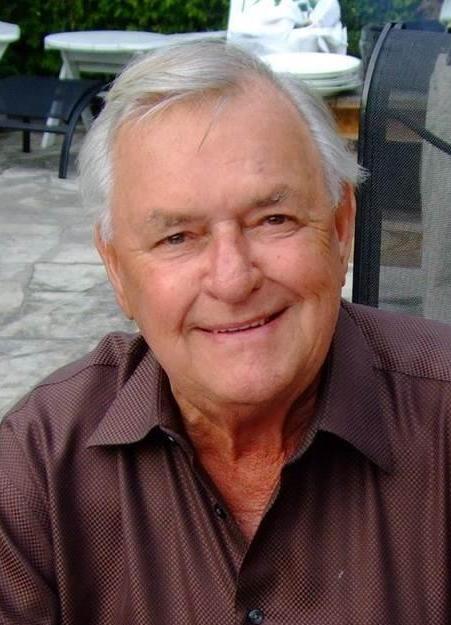
Ronald Joyce's $1.3 Billion Net Worth: The Tim Hortons Legacy
The name Ronald Joyce resonates deeply within the annals of Canadian business history, synonymous with the iconic Tim Hortons coffee and doughnut empire. From humble beginnings as a policeman to co-founding one of Canada's most beloved brands, Joyce's journey culminated in an astounding
ronald joyce net worth of $1.3 billion. His story is not just one of immense financial success, but also a testament to entrepreneurial vision, strategic prowess, and an unwavering commitment to community. This article delves into the life and legacy of the "Doughnut King," exploring the key milestones that cemented his place as a titan of Canadian industry.
From Patrol Car to Partnership: The Birth of a Canadian Icon
Ronald Joyce's incredible trajectory began far from the boardrooms of multi-million dollar corporations. Born in Tatamagouche, Nova Scotia, on May 18, 1929, Joyce's early life was marked by diligence and a sense of duty, qualities that led him to a career in law enforcement. It was during his time as a policeman in the early 1960s that fate intervened in the most delicious way. While on patrol, Joyce would often stop at a burgeoning doughnut shop owned by former NHL player Tim Horton. These routine visits blossomed into a friendship, and soon, a business partnership that would change the Canadian culinary landscape forever.
In 1964, Joyce teamed up with Tim Horton to establish the very first Tim Hortons fast food and doughnut chain in Hamilton, Ontario. The initial concept was simple: quality coffee, fresh doughnuts, and a welcoming atmosphere. Joyce, with his sharp business acumen, quickly saw the immense potential. By 1967, his role had evolved significantly, becoming Horton's full partner as they successfully opened two additional restaurants, laying the groundwork for what would become an unparalleled national franchise. This foundational period highlights Joyce's intuitive understanding of market demand and his ability to scale a promising venture. His early involvement was crucial in shaping the operational backbone and expansion strategy for the brand.
Building an Empire: Navigating Growth and Tragedy
The partnership between Joyce and Horton was a formidable one, blending Horton's name recognition and initial concept with Joyce's operational genius. However, their joint journey took a tragic turn in 1974 when Tim Horton passed away in an automobile accident. This unforeseen event could have spelled the end for the young company. Instead, Ronald Joyce demonstrated remarkable resilience and strategic foresight. He acquired his partner's shares, becoming the sole owner of Tim Hortons. This pivotal moment placed the entire future of the brand squarely on his shoulders, a challenge he met with unwavering resolve.
Under Joyce's singular leadership, Tim Hortons embarked on an aggressive expansion, transforming from a regional chain into a national phenomenon. He standardized operations, refined the menu, and cemented the brand's identity as a staple of Canadian life. His business acumen during this period was legendary, turning tragedy into an opportunity for exponential growth. The brand became synonymous with everyday Canadian culture, a place for morning coffee, a quick lunch, or a family treat. Joyce's commitment extended beyond just profits; he was instrumental in establishing the Tim Horton Children's Foundation, an initiative that provides underprivileged children with opportunities to attend summer camps. This philanthropic endeavor underscored his belief in giving back to the community that supported his dream. To learn more about this transformative journey, explore
From Policeman to Billionaire: Ronald Joyce, The Doughnut King.
Strategic Exits and Diversified Wealth: Beyond Tim Hortons
The evolution of Ronald Joyce's incredible
ronald joyce net worth wasn't solely tied to his direct ownership of Tim Hortons. In a move that showcased his mastery of long-term financial strategy, Joyce sold the company to Wendy's International for $600 million in 1995. While many might have seen this as the culmination of his business career, for Joyce, it was merely another strategic pivot. As part of the acquisition, he became the fast-food chain's largest individual shareholder, accumulating more than 16 million shares in Wendy's. This move was a brilliant demonstration of retaining significant interest and influence in the company he built, even after divesting direct ownership.
Joyce understood the importance of diversification and adapting to market changes. By 2003, he had shrewdly freed himself from all his Wendy's shares, strategically re-allocating his capital. He then meticulously diversified his portfolio, investing heavily in well-established Canadian companies and industries known for generating substantial dividend income. This approach to wealth management highlights a key lesson for investors: never put all your eggs in one basket, and always be prepared to re-evaluate and rebalance your holdings.
Today, his diverse portfolio includes an aircraft charter company, reflecting his interest in high-value, specialized services. Perhaps his most iconic post-Tim Hortons venture is the Fox Harb'r Resort, a luxurious five-star golf resort located on the picturesque north shore of Nova Scotia. This development not only demonstrates his continued entrepreneurial spirit but also his commitment to investing in his home province, creating jobs and promoting tourism. His continued role as chairman emeritus of the Tim Horton Children's Foundation further solidifies his philanthropic dedication. Dive deeper into his post-Tim Hortons ventures by reading
Ronald Joyce: Building Tim Hortons and a Billion-Dollar Portfolio.
Practical Tips from Ronald Joyce's Portfolio Management
- Strategic Exits: Knowing when to sell a business or an asset and how to structure the deal to maximize future gains (e.g., retaining shares in the acquiring company).
- Diversification is Key: Spreading investments across various industries and asset classes to mitigate risk and ensure stable income streams, particularly through dividend-generating stocks.
- Invest in Passion Projects: Joyce's investment in Fox Harb'r Resort shows that aligning investments with personal interests can lead to both financial success and personal fulfillment.
- Long-Term Vision: His continuous evolution from policeman to business owner, then to a diversified investor, demonstrates a consistent long-term perspective on wealth creation.
The Enduring Legacy of the "Doughnut King"
Ronald Joyce's remarkable life journey is a powerful narrative of ambition, hard work, and integrity. From a modest background in Tatamagouche to orchestrating a multi-billion dollar business empire, his story inspires countless aspiring entrepreneurs. His unwavering commitment to honesty and fair dealing not only built a trusted brand but also fostered a culture of community involvement through the Tim Horton Children's Foundation.
At 94 years old (as per the reference context up to 2023), Ronald Joyce remained an enduring symbol of what's possible with grit and belief in oneself. His vision transformed a simple doughnut shop into an internationally recognized brand, profoundly impacting Canadian culture and commerce. The
ronald joyce net worth of $1.3 billion is a tangible measure of his financial success, but his true legacy lies in the millions of lives touched by Tim Hortons, the opportunities created, and the philanthropic endeavors he championed. He taught us that with determination, smart strategy, and a commitment to core values, one can indeed turn dreams into a billion-dollar reality.
In conclusion, Ronald Joyce's life transcends mere financial achievement. It's a testament to the power of entrepreneurial spirit, the importance of strategic foresight, and the lasting impact of giving back. His journey from a patrol car to becoming the "Doughnut King" and a billionaire investor is a captivating chapter in Canadian business history, ensuring that the name Ronald Joyce will forever be remembered alongside the iconic red and white logo of Tim Hortons.