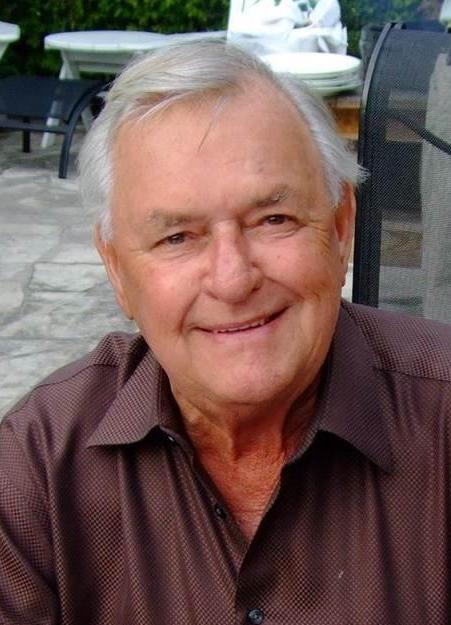
From Policeman to Billionaire: Ronald Joyce, The Doughnut King
The story of Ronald Joyce is one that reads like a modern-day fairy tale, albeit one steeped in Canadian grit, entrepreneurial vision, and a deep understanding of what people crave – beyond just coffee and doughnuts. From a beat cop patrolling the streets of Hamilton, Ontario, to the "Doughnut King" who co-founded one of Canada's most beloved brands, Tim Hortons, Joyce’s journey is a testament to identifying opportunity and cultivating it into an empire. Today, his remarkable financial success is encapsulated by his substantial **ronald joyce net worth**, which stands at an impressive $1.3 billion, solidifying his place among Canada's most influential business figures. This article delves into the transformative path of a man who didn't just build a fast-food chain but crafted a national institution and a formidable personal fortune.
The Beat, The Encounter, The Birth of a Legend
Ronald Joyce's career didn't begin in boardrooms or bustling kitchens; it started on the streets as a police officer. This humble beginning, however, proved to be a pivotal backdrop for the encounter that would redefine his life's trajectory. In the early 1960s, while still on patrol, Joyce frequently stopped at a small doughnut shop owned by then-NHL star Tim Horton. It was more than just a pit stop for a quick coffee; it was an observation deck for an emerging entrepreneur. Joyce saw the potential, the inherent appeal of a simple, quality product, and the charisma of its founder.
In 1964, that insight blossomed into action. Ronald Joyce teamed up with Tim Horton, formally establishing the Tim Hortons fast food and doughnut chain. This wasn't merely a financial investment; it was a partnership founded on complementary strengths. Horton brought the name recognition and initial product, while Joyce, with his acute business acumen and strategic vision, was the driving force behind its expansion. By 1967, Joyce had become Horton's full partner, aggressively opening two more restaurants under the burgeoning brand name. This formative period laid the groundwork for what would become an unparalleled success story in Canadian retail.
Steering the Ship Solo: Growth and Expansion
The partnership, though incredibly successful, was tragically cut short. In 1974, Tim Horton died in a car accident, leaving the future of the rapidly growing chain uncertain. It was at this critical juncture that Ronald Joyce made a decision that would not only define his legacy but also cement the future of Tim Hortons. He acquired his partner's shares, becoming the sole owner of the company. This was a moment of profound responsibility and immense risk, yet Joyce embraced it with unwavering determination.
Under Joyce's singular leadership, Tim Hortons exploded. His vision extended beyond just selling doughnuts; he understood the importance of creating a community hub, a place where Canadians could reliably find quality coffee and treats, served with consistent speed and friendly service. He instilled a culture of integrity and hard work that permeated every new franchise. The company's expansion was relentless, fueled by a deep understanding of local markets and a commitment to customer satisfaction. It was during this period that Tim Hortons truly became an iconic Canadian brand, synonymous with morning routines, coffee breaks, and a sense of national pride. Joyce's strategic decisions during these years were instrumental in cultivating the brand's unique identity and setting the stage for its future meteoric rise, ultimately contributing significantly to his burgeoning personal fortune.
The Strategic Sell-Off and Astute Wealth Diversification
By 1995, after successfully running and expanding Tim Hortons for over two decades, Ronald Joyce made another pivotal decision: he sold the company to Wendy's International for a staggering $600 million. While many might view this as the culmination of his entrepreneurial journey, for Joyce, it was a strategic pivot towards even greater financial independence and wealth diversification. The sale itself was just the beginning of a sophisticated wealth management strategy.
Rather than simply cashing out, Joyce became the fast-food chain's largest shareholder post-acquisition, holding more than 16 million shares of Wendy's. This move showcased his continued belief in the brand's potential and his savvy in maintaining a significant stake in its future growth. However, he didn't rest on those laurels. By 2003, Joyce had strategically divested all of his Wendy's shares, freeing up capital for a broad diversification of his portfolio. This shift marked a mature phase in his financial strategy, moving beyond a single industry focus.
His post-Tim Hortons ventures demonstrate an acute understanding of smart investing and legacy building. He diversified into various well-established Canadian companies and industries, prioritizing those that generated considerable dividend income, ensuring a stable and growing passive income stream. His portfolio today includes ownership of an aircraft charter company, showcasing a direct investment in the aviation sector, and the prestigious Fox Harb'r golf resort on the north shore of Nova Scotia, a testament to his interest in high-end hospitality and real estate. This strategic approach to managing his wealth post-sale is a key factor in how his **ronald joyce net worth** reached an impressive $1.3 billion. For more on his financial acumen, read
Ronald Joyce: Building Tim Hortons and a Billion-Dollar Portfolio.
Beyond Doughnuts: A Legacy of Giving and Enduring Influence
While Ronald Joyce’s entrepreneurial genius and financial success are undeniable, his legacy extends far beyond monetary figures. He is perhaps equally revered for his commitment to philanthropy and community engagement, primarily through the Tim Horton Children's Foundation. Serving as Chairman Emeritus, Joyce played a crucial role in establishing and nurturing this foundation, which provides life-changing experiences for children from low-income families across Canada and the United States. His dedication ensures that the brand's success translates into tangible positive impact, reflecting his personal values of giving back.
Joyce's story is often cited as a prime example of the "rags-to-riches" narrative, transforming dreams into reality through sheer grit and determination. Born in Tatamagouche, Nova Scotia, his journey from a small town to a global icon inspires aspiring entrepreneurs worldwide. At 94 years old (as of the context's last update), Ronald Joyce remains an example of vision, integrity, and unwavering commitment. His unwavering commitment to honesty and integrity allowed him to establish a successful business that continues to make Canadians proud for generations to come. He has shown that true success is not just about accumulating wealth but also about building a lasting legacy that uplifts communities and inspires future generations.
Lessons from the Doughnut King: Principles of Success
Ronald Joyce's incredible journey offers a wealth of practical lessons for entrepreneurs, investors, and anyone aspiring to build a meaningful legacy.
- Identify Opportunity Where Others Don't: His initial recognition of potential in a simple doughnut shop, while still a policeman, highlights the importance of keeping an open mind and seeing beyond the obvious.
- Embrace Strategic Partnerships: His collaboration with Tim Horton leveraged complementary strengths. Knowing when to partner and when to lead solo is crucial for growth.
- Resilience and Vision in Adversity: Taking sole ownership after Tim Horton's untimely death was a moment of immense pressure. Joyce's ability to not only stabilize but aggressively grow the company during this period demonstrates extraordinary leadership and vision.
- Strategic Exit and Intelligent Reinvestment: Selling Tim Hortons at its peak and then strategically diversifying his wealth into various income-generating assets showcases sophisticated financial acumen. It's not just about making money, but about smart wealth management.
- Build a Legacy Beyond Profit: The Tim Horton Children's Foundation is a powerful example of how business success can be channeled into significant social impact, ensuring a positive brand association and a lasting philanthropic footprint.
- Consistency is Key: Tim Hortons' success was built on consistent quality, service, and a strong brand identity, principles Joyce championed throughout his tenure.
These principles underscore why Ronald Joyce's story continues to resonate. His journey from a police officer to a billionaire "Doughnut King" is a testament to the power of entrepreneurial spirit, strategic thinking, and a commitment to building something truly enduring. His extraordinary
Ronald Joyce's $1.3 Billion Net Worth: The Tim Hortons Legacy is a testament to these powerful lessons.
Conclusion
Ronald Joyce's life story is far more than just a tale of immense wealth; it is a captivating narrative of transformation, innovation, and enduring impact. From his humble beginnings as a policeman to becoming the co-founder of a Canadian cultural icon, his journey embodies the very essence of the entrepreneurial dream. His strategic prowess, evident in both the growth of Tim Hortons and the astute diversification of his portfolio post-sale, culminated in a truly remarkable **ronald joyce net worth** of $1.3 billion. Beyond the financial figures, Joyce leaves behind a legacy of integrity, community spirit, and an inspiring example of how vision, hard work, and a commitment to giving back can create not just a business empire, but a lasting positive influence on society. He truly is Canada's Doughnut King, a title earned through tireless effort and an extraordinary life.